
In recent years, Korean dermatology clinics have become the preferred destination for many people who seek cosmetic treatments abroad. From the luxury clinics in Gangnam, Seoul, to the highly cost-effective medical beauty centers in Hongdae, what exactly is it that makes Korean dermatology such an attractive option? This article provides you with the latest popular treatments in Korean dermatology in 2026, real-cost estimates, and practical tips for choosing a clinic, helping you avoid common pitfalls.

I. Why are more and more people choosing to undergo skin care treatments in South Korea?
The reason why Korean dermatology has become so popular around the world is mainly due to the following advantages:
- Technological leadership: South Korea is one of the most mature countries in the global medical aesthetics industry. The consumption of medical aesthetics services in this country accounts for one-third of the global total, and its physicians possess extensive clinical experience.
- Advanced equipment: The vast majority of dermatology clinics are equipped with the latest generation of laser devices, such as the seventh-generation Thermage FLX, Ultraformer, and Picosure.
- Price advantage: Compared to Europe, the United States, and Taiwan, the costs of medical beauty treatments in South Korea are generally more affordable. The cost of similar treatments in South Korea is approximately 60% to 80% of that in Taiwan.
- Aesthetic naturalness: Korean dermatologists strive to achieve a natural-looking improvement, avoiding excessive filling and focusing instead on enhancing the texture of the skin.
- One-stop service: Many clinics offer one-stop services that include skin analysis, treatment plan formulation, actual treatment, and post-treatment care.
II. Popular cosmetic procedures in dermatology in South Korea in 2026
1. HIFU device (Korean version/HyperFormer)
The HIFU device has become one of the most popular non-invasive lifting treatments in recent years. By using high-intensity focused ultrasound to stimulate the regeneration of collagen in the SMAS fascia layer, it achieves a tightening and lifting effect. Korean-made HIFU devices, such as UtIMS and Shurink, are generally cheaper than their American counterparts and are ideal for the regular maintenance of younger-to-middle-aged skin.
- Suitable for: blurred facial contours, indistinct jawlines, and deepened nasolabial folds.
- Duration of effect: 6 to 12 months
- Reference fees: KRW 8 million to 15 million (approximately RMB 4,000 to 8,000).
2. Pico laser
Pico laser is currently the most advanced laser technology for dealing with pigmentation issues. It uses pulses lasting one trillionth of a second to break down pigment particles and stimulate the regeneration of collagen. In South Korea, dermatologists widely use advanced Pico lasers such as picosure and enlighten, which have proven highly effective in treating acne scars, freckles, and uneven skin tone.
- Applicable to: freckles, chloasma, acne scars, tattoo removal, enlarged Pores
- Duration: Depending on postoperative care, it ranges from approximately 6 to 12 months.
- Reference fees: KRW 300,000 to 1,000,000 per treatment (approximately RMB 1,500 to 5,000 per treatment).
3. Skin Booster injections
Hydrofiller injections are a skin care treatment that involves directly administering nutrients such as hyaluronic acid, vitamins, and amino acids into the dermis. This process can quickly hydrate the skin, enhance its brightness, and reduce dryness and fine lines. Korean clinics offer a wide variety of hydrofiller formulas that can be customized to suit individual skin types. Common brands include Rejuran, Juvelook, and VIVABELLA.
- Suitable for: dry skin, dull complexion, fine lines, enlarged Pores
- Duration: 1 to 3 months
- Reference fees: KRW 200,000 to 800,000 (approximately RMB 1,000 to 4,000).
4. Thermage FLX
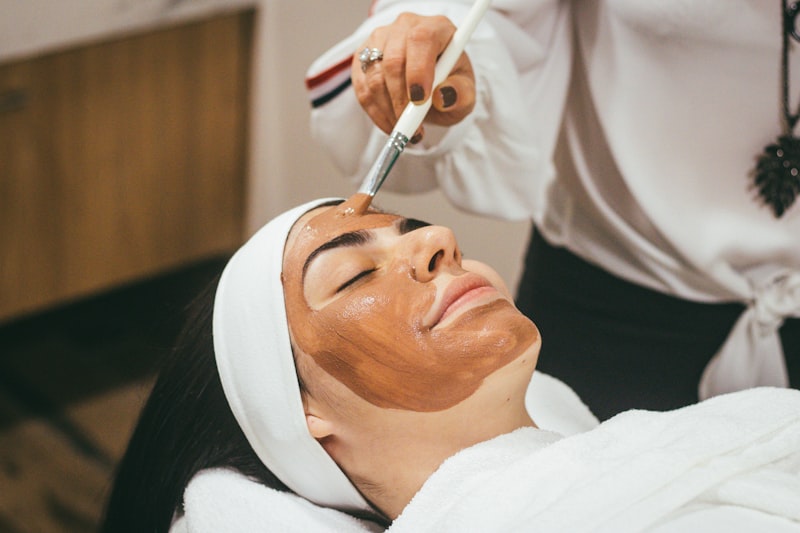
Thermage is considered the gold standard for monopolar radiofrequency skin tightening. By heating the dermis, it stimulates the contraction and regeneration of collagen, thereby improving the appearance of loose skin and enhancing the definition of facial contours. The seventh-generation FLX probe features less discomfort and a wider treatment area, making it the ideal choice for those seeking overall facial tightening.
- Suitable for: facial sagging, fine lines around the eyes, and blurred neck contours.
- Duration of effect: 12 to 18 months
- Reference fees: KRW 2 million to 5 million (approximately RMB 10,000 to 25,000).
5. Gold microneedling (Inno Plus / Secret RF)
Golden microneedling combines the principles of microneedle penetration and radiofrequency heating, effectively addressing issues such as acne scars, enlarged Pores, and stretch marks. The new versions of golden microneedling in Korea, such as InnoPlus and Secret RF, feature a shorter recovery period and less discomfort, making them very popular among those suffering from acne scars.
- Applicable to: acne scars, enlarged Pores, scars, stretch marks, and loose skin
- Duration of effect: 6 to 12 months
- Reference fees: KRW 500,000 to 1,500,000 (approximately RMB 2,500 to 7,500).
III. A detailed overview of the actual costs associated with dermatology treatments in South Korea
The following are reference prices for popular treatments at mainstream dermatology clinics in the Gangnam and Hongdae areas of Seoul in 2025:
| project | Seoul, South Korea (Korean won) | Approximately equivalent to RMB | Taiwan reference price (New Taiwan dollars) |
|---|---|---|---|
| Korean version of ultrasonic scalpel (for the entire face) | 80 million to 15 million | 4,000 to 8,000 yuan | Ranging from 25,000 to 45,000 yuan |
| Pico laser treatment for the entire face | 300,000 to 1 million yuan per procedure | 1,500 to 5,000 yuan per session | 5,000 to 15,000 yuan per session |
| Hydrofiller injection (Lizhulan) | 300,000 to 800,000 | 1,500 to 4,000 yuan | Ranging from 8,000 to 20,000 yuan |
| Thermage FLX (Comprehensive) | 2 to 5 million | 10,000 to 25,000 yuan | Ranging from 80,000 to 150,000 yuan |
| Gold microneedling | 500,000 to 1.5 million | Ranging from 2,500 to 7,500 yuan | Ranging from 15,000 to 35,000 yuan |
| Skin rejuvenation (microbubble therapy/hydroxyacids) | 50,000 to 200,000 | 250 to 1,000 yuan | 1,500 to 5,000 yuan |
Note: The actual costs vary depending on the brand of the clinic, the qualifications of the doctor, as well as the quality of the equipment and products used. It is recommended to compare prices from different providers before making a decision, and not to rely solely on cost when choosing a clinic.
IV. How to choose a reliable Korean dermatology clinic
1. Check the qualifications of the clinic and the background of the doctors.
To operate a legitimate Korean dermatology clinic, one must possess a certification as a specialized dermatologist issued by the Korean Ministry of Health and Welfare. The qualifications of clinics and physicians can be verified on the official website of the Korea Health Promotion Institute (KHIDI). It is recommended to choose clinics that offer consultation services in English or Chinese, as this will facilitate smoother communication.
2. Refer to real cases and evaluations
Review the before-and-after photos and real customer reviews available on the clinic’s official website, Instagram, and Naver Blog (the Korean version of Dianping). Be sure to distinguish between promotional content and genuine user feedback, and cross-check various sources to verify the credibility of the reviews.
3. Don’t focus solely on price.
The competition in the Korean dermatology industry is fierce, and extremely low prices are often used as a gimmick to attract customers. It is essential to verify whether the equipment used is genuine (such as genuine Thermage probes), whether the medications are imported through legitimate channels, and whether there are any hidden costs or forced sales practices.
4. Make appointments and seek consultations in advance.
It is recommended to consult online through reputable medical beauty intermediary platforms or by directly contacting the clinic in order to understand the treatment options and costs in advance. When visiting for the first time, do not decide on expensive treatments on the spot; give yourself sufficient time to consider your options.
5. Pay attention to post-operative services.
Choose a clinic that provides comprehensive post-operative care guidance and follow-up visits. Regular dermatology clinics in Korea usually offer samples of post-operative skincare products, instructions on precautions, as well as necessary follow-up appointments.
V. Common pitfalls and avoidance guidelines in the Korean dermatology industry
- Unlicensed and illegal clinics: Some clinics targeting foreign tourists operate without proper licenses or are managed by individuals who are not specialized in dermatology. It is essential to verify their qualifications before using their services.
- Excessive sales pressure: Tour guides often lead customers to clinics that offer substantial kickbacks, so it’s important to maintain independent judgment and avoid signing up for expensive packages on the spot.
- Counterfeit equipment: Second-hand or uncertified laser devices not only have reduced effectiveness but also pose safety risks. Be sure to inquire about the device model and place of origin.
- Language communication issues: Clinics that do not offer Chinese-language services are prone to misunderstandings regarding treatment plans, which can affect the effectiveness of the treatment.
- Difficulties in safeguarding rights: In the case of disputes arising from medical beauty treatments abroad, the costs associated with pursuing legal remedies across national borders are extremely high. Choosing official and legitimate channels is therefore the safest option.
VI. Pre-departure checklist for dermatology treatments in South Korea
- Identify the target areas for treatment: First, undergo skin tests in your home country to determine the specific issues you would like to address.
- Reservation for consultation: Please contact the clinic 1 to 2 weeks in advance and send photos of your skin for an online assessment.
- Prepare your passport and visa: Determine the type of visa required for traveling to South Korea; it is recommended to apply for a single-entry or multiple-entry tourist visa.
- Schedule your appointments: Most dermatological treatments require a recovery period of 2 to 3 days; it is recommended to allow sufficient time for this.
- Bring soothing skincare products: After the procedure, the skin is more sensitive, so it is recommended to bring mild moisturizing and sun protection products.
- Prepare Korean won or a credit card: Some small clinics only accept cash or local Korean bank cards; please confirm in advance.
VII. Conclusion
Korean dermatology clinics, with their advanced technology, reasonable prices, and extensive clinical experience, are indeed worth considering. However, it is essential to do your research before proceeding, choose reputable clinics, and approach any promotional offers with a rational mindset in order to ensure a safe and effective cosmetic treatment experience. Remember: beauty is a long-term investment; don’t take unnecessary risks just to save money.
If you have any questions regarding Korean dermatology or other medical beauty treatments, please continue to follow Meiderma Beauty. We will provide you with more professional knowledge about skin care and medical beauty trends.
※ The fees mentioned in this article are based on the exchange rates and market conditions as of March 2025. For the actual costs, please refer to the quotes provided by each clinic. Before undergoing any medical beauty treatment, it is essential to consult a professional doctor.